

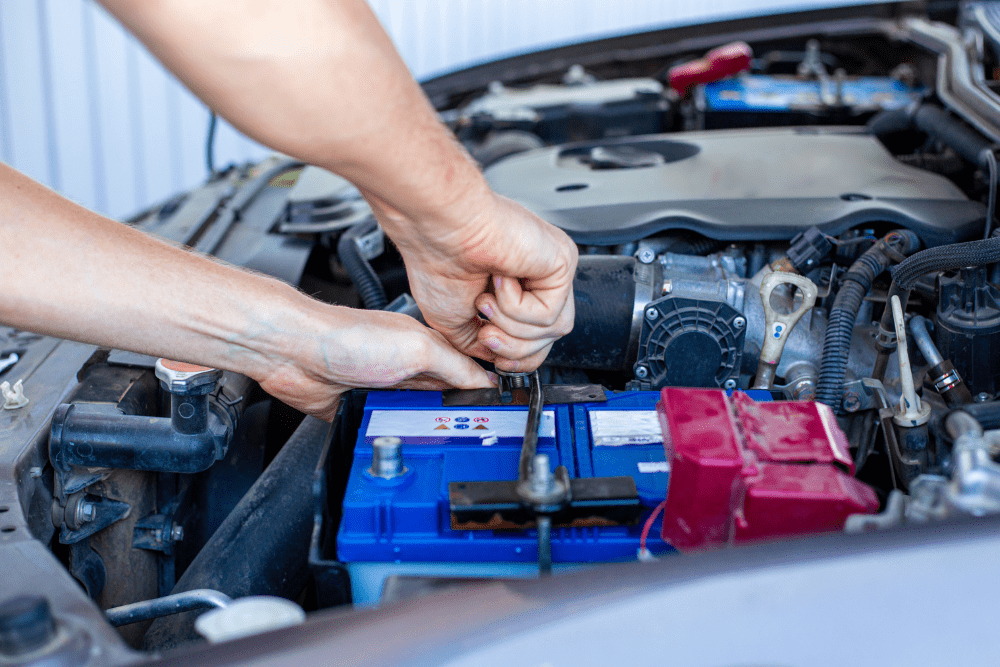
There’s nothing worse than heading out to your car on a chilly Greer morning, turning the key, and hearing nothing but a slow crank or complete silence. If your car won’t start when temperatures drop, you’re not alone. Cold weather puts serious stress on your vehicle’s battery and electrical system, and even a battery that seemed fine last week can fail overnight when freezing conditions arrive. At Eastside Automotive in Greer, SC, we help drivers understand why this happens and how to prevent it before you’re left stranded in your driveway.
When temperatures dip below freezing, your battery loses a significant amount of its starting power. A weak or aging battery that’s been limping along during warmer months often can’t deliver enough energy to turn over your engine once winter arrives. Understanding what’s happening under the hood and recognizing the warning signs can save you time, frustration, and an expensive tow truck bill.
How Cold Weather Impacts Your Battery's Performance
Your vehicle’s battery works by triggering a chemical reaction that produces electrical current. When temperatures drop, that chemical process slows down dramatically. At 32°F, a typical battery loses about 35% of its strength. When it gets down to 0°F, you’re looking at a 60% reduction in cranking power. Meanwhile, your engine requires nearly twice as much power to start in cold conditions because the oil thickens and creates more resistance.
This combination creates the perfect storm for a no-start situation. If your battery is already three to five years old or has been showing signs of weakness, those cold Greer mornings will expose any underlying issues immediately. You might notice:
- The engine is cranking slower than usual
- Dimming dashboard lights when starting
- That dreaded clicking sound when you turn the key
Why Weak Batteries Fail Overnight
A battery that’s been gradually losing capacity might still start your car during mild fall weather. But once freezing temperatures arrive, that same battery simply can’t generate enough amps to engage the starter motor. The cold slows down the electrochemical reactions inside the battery cells, reducing available power right when your engine needs the most help.
The Hidden Drain on Your Electrical System
Modern vehicles have computers, alarm systems, and other electronics that draw small amounts of power even when the car is off. In warmer weather, a healthy battery can handle this parasitic drain without issue. But in winter, if your battery is already weakened, this constant small draw can be enough to leave you with insufficient power to start in the morning.
Warning Signs Your Battery Won't Survive Greer’s Winter
Most batteries don’t fail without warning. If you pay attention to your vehicle’s behavior, you’ll often catch problems before you’re stuck in the cold. Here are the telltale signs that your battery needs attention before winter gets worse:
Slow or Hesitant Engine Cranking
If your engine takes longer to turn over than it used to, or you hear it cranking more slowly, your battery is struggling to deliver adequate power. This is especially noticeable on cold mornings and often the first sign that replacement is needed soon.
Dimming Interior and Dashboard Lights
When you turn your key to the “on” position, your dashboard lights should illuminate brightly. If they appear dim or flicker, your battery voltage is likely dropping below normal levels. This indicates the battery can’t maintain a proper charge.
Clicking Sounds Instead of Starting
That rapid clicking noise when you turn the key means your starter solenoid is trying to engage but isn’t receiving enough current from the battery. This is a classic symptom of a battery that’s too weak to start the engine.
Electrical Accessories Acting Strange
If your power windows move slowly, your radio resets frequently, or your headlights seem weaker than usual, these electrical issues can point to battery problems. A failing battery struggles to power all your vehicle’s systems consistently.
Battery Age and Corrosion
Most batteries last three to five years under normal conditions. If yours is approaching or past that range, it’s wise to have it tested before winter. Also, look for white or blue-green corrosion around the battery terminals, which can interfere with proper electrical connections.
Need a battery check before the next cold snap? Schedule your appointment at Eastside Automotive, 2010 River Road, Greer, SC 29650, or call us at (864) 801-0202 to ensure your vehicle starts reliably all winter long.
What Happens Inside Your Battery When Temperatures Drop
Understanding the science behind battery failure helps explain why cold weather is so hard on your vehicle. Your battery contains lead plates submerged in an electrolyte solution of sulfuric acid and water. When you start your car, a chemical reaction between the lead and acid produces electrons that flow through your electrical system.
Cold temperatures slow this chemical reaction significantly. The electrolyte solution becomes more viscous and resistant to the flow of ions between the plates. This means fewer electrons are produced, resulting in reduced voltage and amperage available to your starter motor. At the same time, your engine oil thickens in cold weather, creating more internal resistance that requires extra power to overcome.
Why Old Batteries Struggle More
As batteries age, the lead plates develop sulfate buildup that reduces their surface area and efficiency. The electrolyte solution can also become diluted or contaminated over time. These factors compound the cold-weather effect, making an older battery far more likely to fail when temperatures drop.
The Role of Alternator Health
Your alternator recharges your battery while the engine runs. If your alternator isn’t functioning properly, your battery never gets fully recharged between trips. This leaves it operating at partial capacity, which becomes critical when cold weather demands maximum performance. Regular electrical system testing can identify alternator issues before they leave you stranded.
Preventive Steps to Avoid Cold-Weather Starting Problems
The good news is that you don’t have to wait until your car won’t start to take action. Proactive maintenance can help you avoid most cold-weather battery failures and keep your vehicle reliable through winter.
Get a Professional Battery Test
A simple battery test takes just a few minutes and measures your battery’s voltage, cold cranking amps, and overall health. This test can predict failure before it happens, giving you time to replace the battery on your schedule rather than in an emergency. We recommend testing any battery that’s three years or older before winter arrives.
Clean Corroded Battery Terminals
Corrosion on battery terminals creates resistance that prevents proper electrical flow. Cleaning the terminals and cable connections ensures your battery can deliver its full power to the starter. This simple maintenance step can sometimes resolve starting issues without requiring a new battery.
Keep Your Battery Connections Tight
Loose battery cables can cause intermittent starting problems and prevent the alternator from properly charging the battery. During routine service, technicians should check that all connections are secure and free of damage.
Limit Short Trips in Cold Weather
Frequent short trips don’t give your alternator enough time to fully recharge the battery after starting. If possible, combine errands into longer trips during winter to ensure your battery maintains adequate charge levels.
Consider Battery Age and Condition
If your battery is approaching four or five years old, replacing it proactively before winter can save you from an inconvenient breakdown. The cost of a planned replacement is much less stressful than dealing with a dead battery on a freezing morning when you need to get to work.
How We Diagnose and Fix Starting Problems at Eastside Automotive
When you bring your vehicle to our shop in Greer, we don’t just sell you a battery and send you on your way. Our ASE-certified technicians perform a comprehensive electrical system evaluation to identify the root cause of your starting problems.
We begin with a digital battery test that measures voltage, cold cranking amps, and the battery’s ability to hold a charge under load. This computerized test provides accurate data about your battery’s current condition and remaining lifespan. We also inspect the battery terminals and cables for:
- Corrosion buildup
- Physical damage
- Loose connections that could interfere with starting
Complete Electrical System Testing
Starting problems aren’t always caused by the battery alone. Our team performs comprehensive diagnostics, including:
- Alternator output testing to verify proper charging
- Starter motor inspection for signs of wear or failure
- Electrical system checks for parasitic drains that could discharge the battery overnight
Quality Battery Installation
If replacement is needed, we install high-quality batteries matched to your vehicle’s specifications and driving conditions. Proper installation includes:
- Cleaning the terminals thoroughly
- Securing all connections properly
- Applying a protective coating to prevent future corrosion
Honest Recommendations You Can Trust
At Eastside Automotive, we’re committed to honesty and integrity in everything we do. If your battery tests well and doesn’t need immediate replacement, we’ll tell you. Our goal is to help you make informed decisions about your vehicle maintenance, not to sell unnecessary services. We’ll explain our findings clearly and give you realistic timelines for when replacement will be needed.
Why Greer Drivers Choose Eastside Automotive for Winter Service
Cold-weather starting problems require expertise and reliable service. Our shop has been serving the Greer community since 1997, building relationships with customers based on trust and quality workmanship. Here’s what sets us apart:
- Certified Technicians with Specialized Experience: Our ASE-certified and Toyota-certified technicians bring years of experience diagnosing electrical issues across domestic and Asian vehicles, including Chevrolet, Ford, Honda, and Toyota.
- Transparent Digital Inspections: We use Shopware digital vehicle inspections to document your battery’s condition with photos and detailed notes you can review on your phone, so you understand exactly what your vehicle needs and why.
- Clean, Professional Shop Environment: Our clean, professional shop reflects our commitment to excellence in every aspect of our business, providing a facility that shows pride in workmanship.
- Convenient Service Options: We offer shuttle service within a 3-5 mile radius, early bird drop-off for busy schedules, and after-hours pickup so you can retrieve your vehicle when it’s convenient for you.
- Customer-First Service Approach: We treat every customer with dignity and respect, keeping you informed throughout the repair process and getting you back on the road quickly and safely.
FAQs About Why Your Car Won’t Start in Cold Weather
Why does my car battery die in cold weather?
Cold temperatures slow the chemical reactions inside your battery that produce electrical current, reducing its available power by up to 60% at 0°F. Meanwhile, your engine requires nearly twice as much power to start because thickened oil creates more resistance.
How long do car batteries typically last?
Most car batteries last three to five years under normal conditions. However, extreme temperatures, frequent short trips, and electrical system issues can significantly shorten your battery’s lifespan and require earlier replacement.
Can I jump-start my car if the battery dies in the cold?
Yes, jump-starting can help get your vehicle running temporarily in cold weather. However, if your battery failed due to freezing temperatures, it likely needs professional testing or replacement to prevent repeated failures and avoid being stranded.
How can I tell if my alternator or battery is the problem?
A professional electrical system test can distinguish between battery and alternator failures. If your car starts with a jump but the battery dies again quickly, the alternator may not be recharging it properly.
Schedule Your Winter Battery Service in Greer, SC Today
Don’t wait until you’re stuck in the cold with a car that won’t start. Protect yourself from winter breakdowns with a professional battery inspection and electrical system check. Our team at Eastside Automotive is ready to help you prepare your vehicle for the coldest months ahead.
Visit us at 2010 River Road, Greer, SC 29650, or call 864-801-0202 to schedule your battery service appointment. We’ll make sure your vehicle starts reliably every morning, no matter how cold it gets.